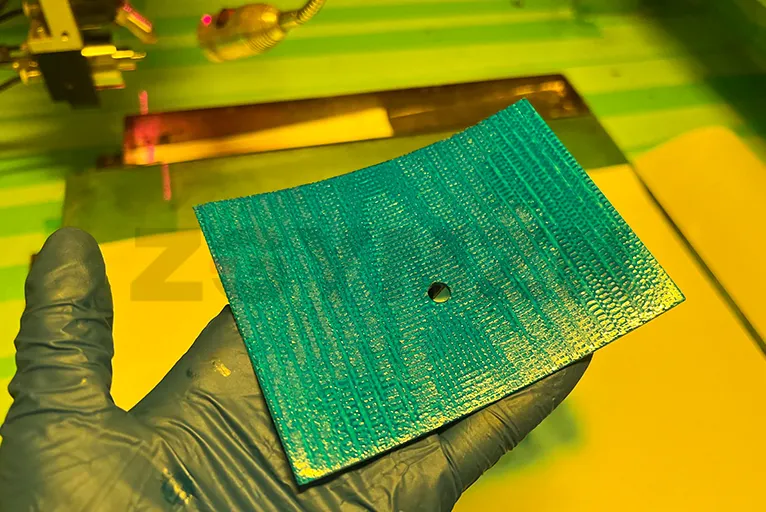
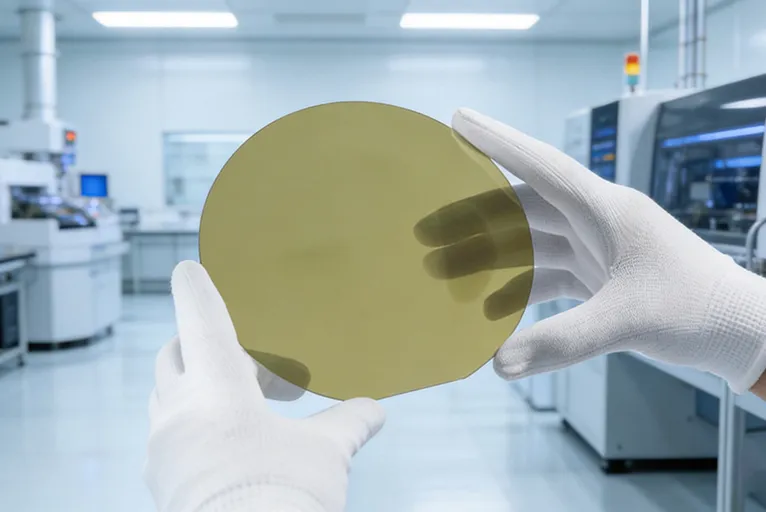
With the acceleration of global electrification and energy transition, third-generation wide-bandgap semiconductor materials, represented by silicon carbide (SiC), are becoming a core technological pillar in the field of power electronics, driving energy efficiency upgrades in new energy, computing infrastructure, and industrial power systems. Compared to traditional silicon-based materials, silicon carbide possesses a higher breakdown electric field, excellent thermal conductivity, and faster switching speed. It can withstand high voltage and high temperature conditions, significantly reducing system power loss, making it a key material for achieving device miniaturization and high power density.
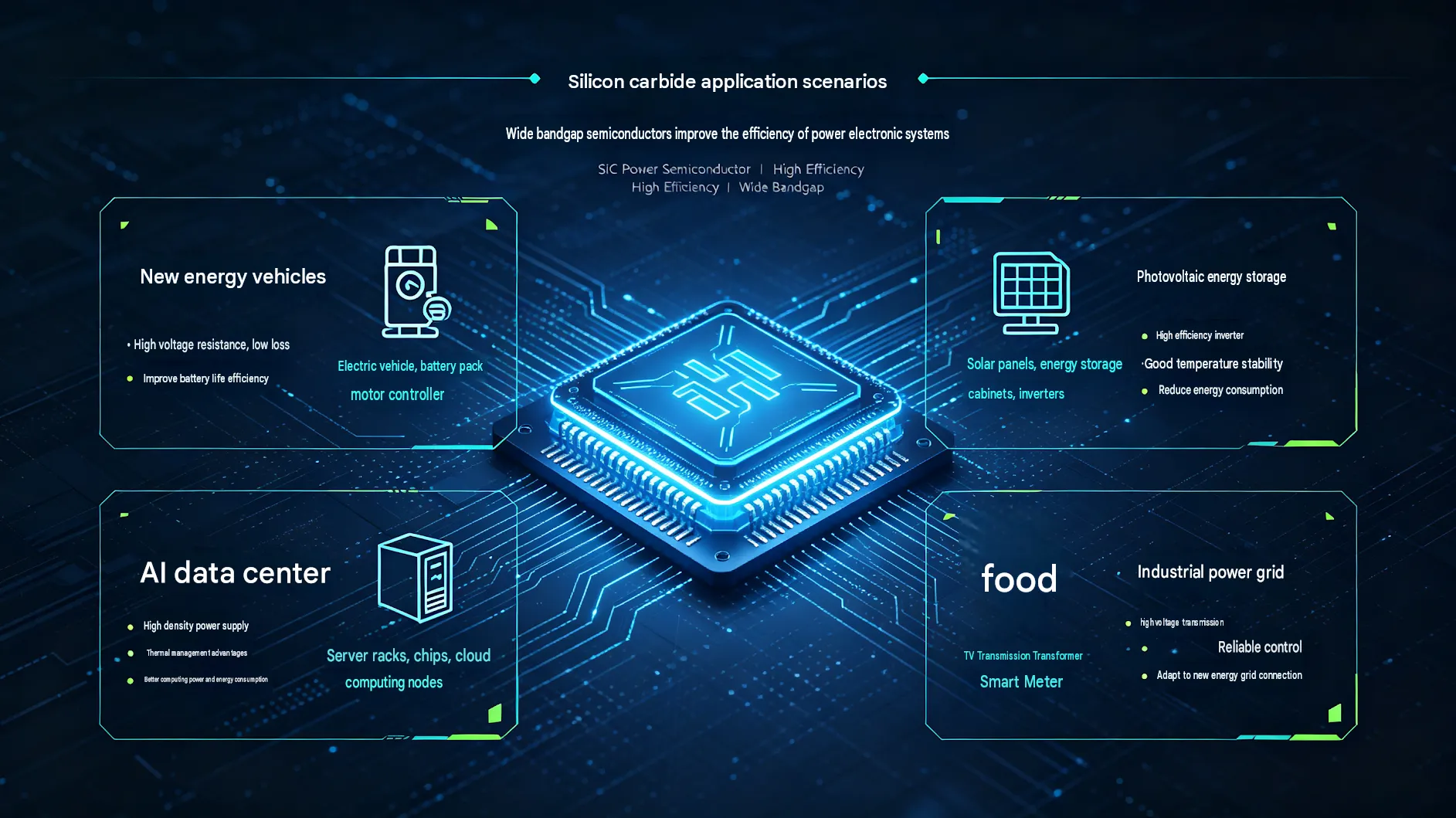
New energy vehicles represent the largest market segment for silicon carbide (SiC) deployment. In 800V high-voltage vehicle platforms, SiC devices are widely used in main drive inverters, on-board chargers, and DC-DC converters. Compared to silicon-based IGBT solutions, SiC reduces conduction and switching losses, improves vehicle range, shortens fast charging time, and reduces the size and weight of the cooling system, making it a standard solution for high-end new energy vehicles.
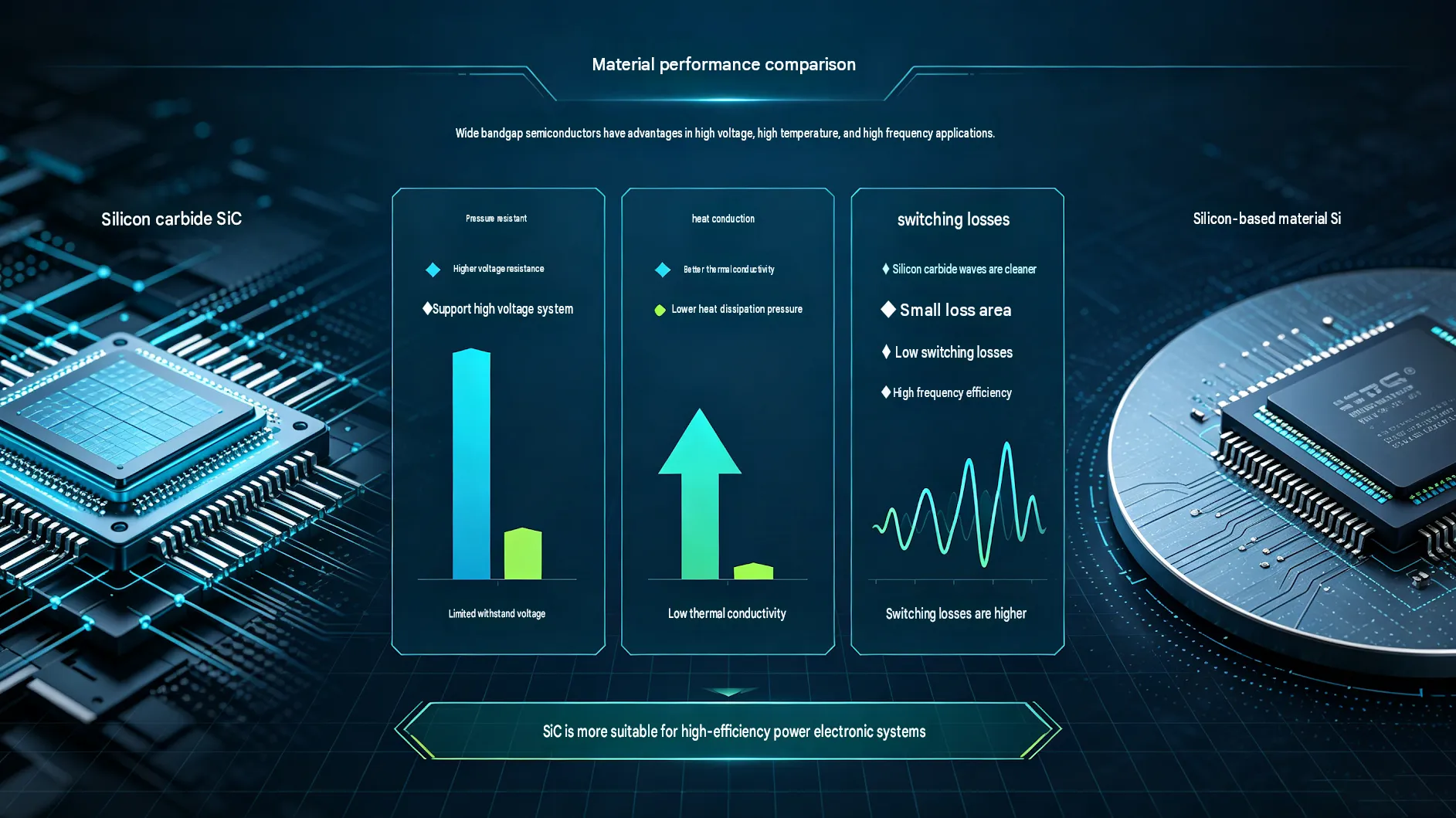
In the photovoltaic and energy storage fields, SiC devices are used in inverters and energy storage converter PCS, increasing energy conversion efficiency to over 99%. Higher switching frequencies allow for further miniaturization of passive devices, helping power plants reduce BOM costs and adapting to the trend of high-voltage development in high-power photovoltaic power plants and large-scale energy storage power plants.
The explosive growth of AI computing infrastructure has also opened up new incremental markets for SiC. The next generation of AI data centers is evolving towards 800V high-voltage DC power supply architectures. SiC power devices simplify power distribution links, reduce energy waste caused by multi-stage conversion, and improve the power supply stability of server clusters. Meanwhile, silicon carbide devices have gradually completed verification and mass production in high-power applications such as rail transit, industrial servo drives, and smart grid solid-state transformers, driving the innovation of traditional power equipment. (Economic Reference Network)
The silicon carbide (SiC) industry chain continues to mature, with substrate, epitaxial, and device manufacturing processes constantly iterating and large-size wafer capacity expanding, driving a steady decline in overall device costs and continuously broadening application boundaries. In the future, as the reliability of automotive-grade and industrial-grade products further improves, SiC will penetrate more high-power applications, providing fundamental material support for global green energy and high-end manufacturing.